
Planning a vacation is exciting! Choosing the destination, counting down the days, and imagining the memories you’ll make. But there’s one important step travelers sometimes overlook:
Protecting the trip itself.
Travel insurance isn’t about expecting something to go wrong. It’s about traveling with confidence, knowing you’re prepared if the unexpected happens.
Friendly Disclaimer:
We’re big fans of travel insurance and happy to help guide you toward options that fit your trip, but we aren’t licensed insurance agents. Think of us as your travel matchmakers, not policy interpreters.
Because every policy is different, the best source for specific coverage questions or “what if” scenarios is always the travel insurance provider itself. When in doubt, give them a call so you can travel with total confidence.
Now let’s walk through what travel insurance really covers, and why we strongly recommend it to our clients.
What Is Travel Insurance, and How Does It Work?
At its core, travel insurance is designed to help protect you from financial loss and provide assistance when travel plans are disrupted.
Depending on the policy, coverage can include:
Trip cancellations or interruptions
Emergency medical care
Medical evacuation
Travel delays
Lost, delayed, or damaged baggage
You purchase a policy before your trip, and if a covered situation occurs, you can file a claim for reimbursement or receive assistance through the insurer’s support services.
Many providers also offer 24-hour assistance to help travelers locate medical care, arrange transportation, or coordinate emergency services when needed.
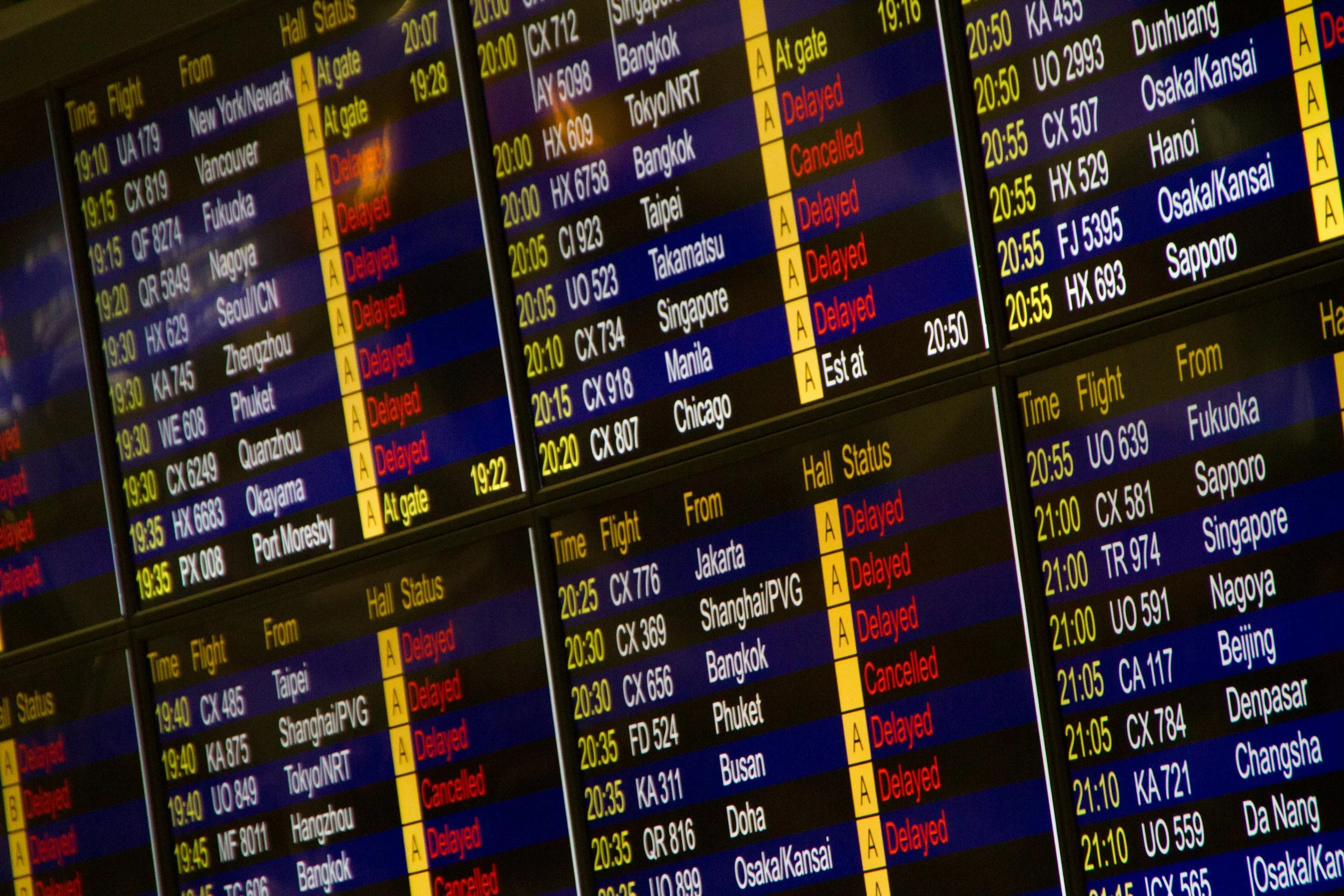
Think of travel protection as a safety net for both your investment and your well-being.
Why Travel Insurance Is So Important
Even the most carefully planned trips can be affected by circumstances outside your control, from illness to severe weather to transportation issues.
Travel insurance can reimburse prepaid, non-refundable expenses if you must cancel for a covered reason such as sickness, injury, or certain emergencies.
It becomes especially valuable when you consider how much travelers invest in vacations today. Protecting that financial commitment allows you to focus on enjoying the experience instead of worrying about what could go wrong.
Another major benefit? Peace of mind. Knowing you have support if something unexpected occurs can make your entire trip more relaxing.
The Reality Many Travelers Don’t Expect: Medical Care Abroad
One of the biggest misconceptions we see is travelers assuming their domestic health insurance will fully protect them overseas. Most domestic policies, including Medicare, do not provide any coverage if you are traveling outside of the United States.
In many cases, hospitals abroad may require payment upfront before providing treatment, and emergency transportation, particularly air ambulances, can cost tens of thousands of dollars depending on the situation.
Travel insurance can help cover medically necessary transportation to the nearest appropriate facility or even back home if required.
Simply put: a medical emergency away from home can quickly become both a health crisis and a financial one without proper coverage.
When Should You Buy Travel Insurance?
Earlier is almost always better.
Purchasing travel insurance soon after making your initial trip deposit can provide access to additional benefits, including coverage for certain pre-existing medical conditions when eligibility requirements are met and Cancel For Any Reason (CFAR) coverage.
Waiting too long may limit your coverage options or reduce the protections available before departure. Many pre-existing medical condition waivers and CFAR coverages can only be purchased within a week or two of your initial trip payment.
A good rule of thumb?
Once you’ve made a financial commitment to your trip, it’s time to consider insurance.
Who Should Especially Consider Travel Insurance?
While we recommend it for nearly everyone, it becomes particularly important if:
You’re taking an international trip
Your vacation requires significant prepaid expenses
You’re cruising
You’re traveling during peak weather seasons
Multiple travelers are involved (family or group trips)
The more complex and costly the trip, the more valuable the protection becomes.
Myth: I Don’t Need Travel Insurance Because My Credit Card Offers Protection
Many travelers assume their credit card offers sufficient travel protection, but most cards offer only basic coverage. A lot of times travel coverage through a credit card is secondary meaning that you will have to pay up front for the expense and then file for reimbursement with your credit card later.
Limitations may include:
No emergency medical coverage
No medical evacuation
No reimbursement for travel delays or interruptions due to personal emergencies
Bottom line: Credit cards are a helpful backup, but rarely a substitute for a comprehensive travel insurance policy.

So What Does Travel Insurance Cover (and What Doesn’t It)?
Let’s break down the major types of coverage with real world examples of both what’s typically covered and what may not be included.
Trip Cancellation
What it covers: Reimburses non-refundable trip costs if you have to cancel for a covered reason, such as illness, injury, or a death in the family, before departure.
Example (Covered): You’re scheduled to fly to Italy, but a few days before departure, you’re diagnosed with pneumonia and your doctor advises against travel. Insurance can reimburse prepaid costs like airfare, hotel, and tours.
What’s not covered:
Canceling because you changed your mind or got nervous about traveling.
Canceling due to weather if the travel provider (e.g., cruise line or airline) is still operating.
Example: If a hurricane is approaching but your cruise line decides to adjust the itinerary and still sails, your cancellation wouldn’t be covered because technically, the trip is still happening.
Tip: For more flexibility, look into a Cancel for Any Reason (CFAR) upgrade, which can reimburse part of your costs even if your reason isn't typically covered. Keep in mind that CFAR policies are typically only available with the first week or two of putting down your trip deposit.
Emergency Medical & Evacuation
What it covers: Medical treatment during travel and emergency evacuation if needed.
Example (Covered): You develop appendicitis in Mexico and need surgery. Insurance helps cover hospital bills and coordinates your medical care.
What’s not covered:
Pre-existing conditions unless the policy includes a waiver.
Routine care or checkups.
Injuries from risky or reckless behavior, like drinking and driving a scooter.
Tip: If you have any ongoing medical conditions, ask about a pre-existing condition waiver. Some plans offer it if purchased within a week or two of your first trip payment.
Trip Interruption
What it covers: Helps if you must return home early for a covered reason.
Example (Covered): Halfway through your trip, your mother is hospitalized back home. Insurance may reimburse you for unused nights and last-minute airfare home.
What’s not covered:
Leaving early due to homesickness or minor inconveniences.
Cutting your trip short because you don’t like the weather or the hotel.
Baggage Loss, Damage, or Delay
What it covers: Compensation if your luggage is lost, stolen, or delayed.
Example (Covered): Your bag is delayed in transit to your Caribbean resort. You can be reimbursed for essential clothing and toiletries purchased while you wait.
What’s not covered:
Electronics, jewelry, or cash over the plan’s limits.
Lost items that weren’t reported to the airline or hotel promptly.
Tip: Always keep receipts and file reports right away to help support your claim.
Travel Delay
What it covers: Meals, lodging, or new travel arrangements if your trip is delayed for a covered reason.
Example (Covered): Your connecting flight is grounded due to a snowstorm, and you’re stuck overnight. Insurance can help cover hotel and meal expenses.
What’s not covered:
Delays of less than the minimum number of hours (usually 6–12 hours).
Delays caused by personal scheduling errors or missed alarms.
Adventure Activity Coverage (Optional Add-On)
What it covers: Higher-risk activities like skiing, ziplining, or trekking—if included in your plan.
Example (Covered): You injure your shoulder during a guided canopy zip line tour in Belize. With adventure coverage, your medical expenses are reimbursed.
What’s not covered:
Injuries during unapproved or unsupervised activities (e.g., climbing without gear).
Activities not listed under your plan—standard policies often exclude adventure sports unless specifically added.

Travel Smarter, Travel More Confidently
We never want our clients to need travel insurance. But we always want them to have it, and we personally never travel without a policy.
If losing the money you’ve invested in your trip would be difficult, or if covering a medical emergency abroad feels overwhelming, travel insurance is worth serious consideration.
Because travel isn’t just an expense, it’s an investment in memories, experiences, and time together. Protecting that investment allows you to focus on what matters most. Enjoying every moment of your journey.
Ready to Plan Your Next Getaway With Confidence?
Whether you’re dreaming of a relaxing cruise, an all-inclusive escape, or an unforgettable family adventure, we’re here to help you plan every detail, including the travel protection that lets you fully enjoy the journey.
Let’s design a trip you can get excited about and feel secure booking.
Reach out today to start planning, and travel knowing you’re prepared for whatever comes your way.